Roles of Root Vegetables and Tubers in Nutrition
Published in the RealFoodRoots Educational Series
Educational article only. This content describes nutritional composition and traditional food patterns. It is not medical advice or treatment guidance. For health concerns, consult qualified professionals.
Introduction to Root Vegetables
Root vegetables and tubers represent a class of plants whose edible portions develop underground, accumulating nutrients and carbohydrates in specialised storage structures. These crops have sustained human populations across diverse geographical regions and climates, serving as reliable, nutritionally significant food sources throughout human history.
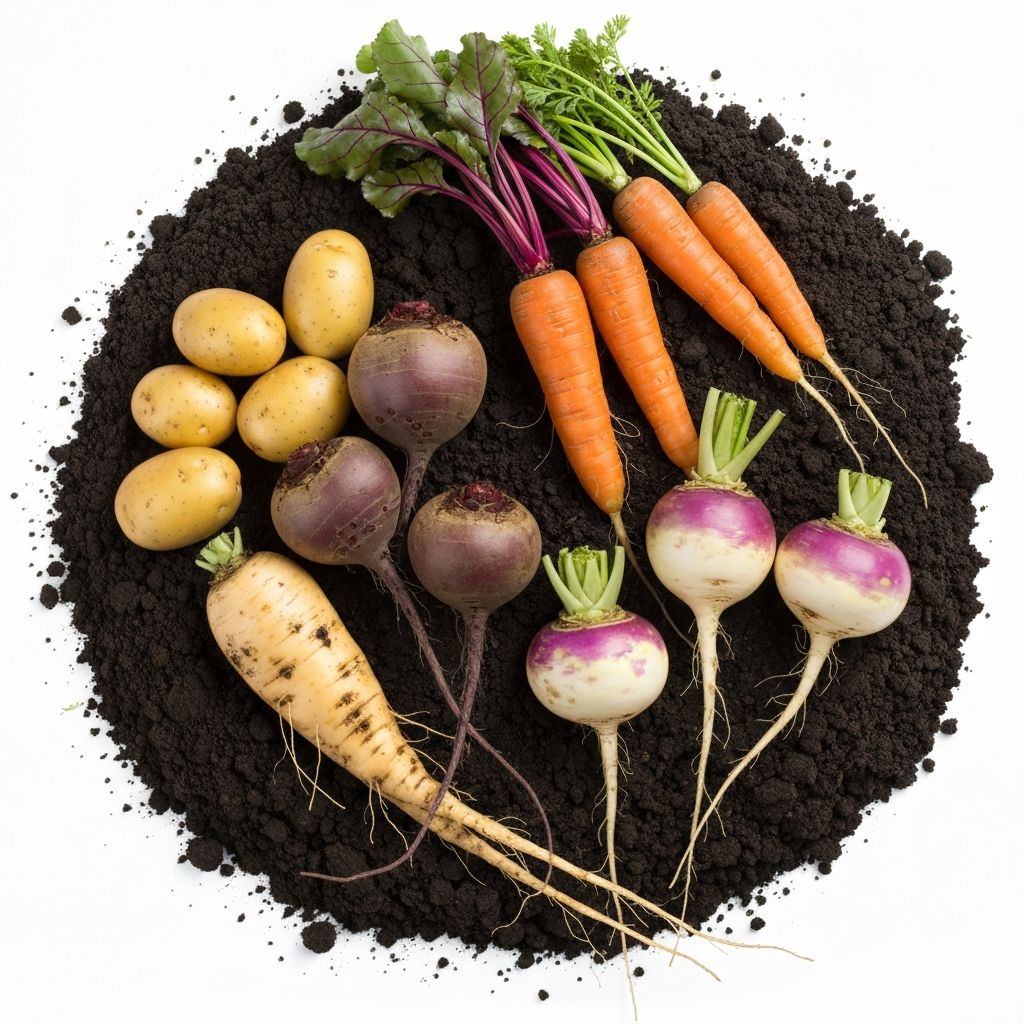
Root vegetables include a diverse range of plants: carrots, beets, turnips, parsnips, radishes, rutabagas, and many others. Tubers—such as potatoes, yams, and cassava—represent a distinct botanical category but serve similar nutritional roles.
Nutritional Composition
Root vegetables and tubers exhibit several consistent nutritional characteristics:
Carbohydrates
Root vegetables store significant carbohydrates—primarily starches and sugars—serving as energy reserves. Potatoes, for example, contain roughly 15-20 percent carbohydrates by weight. These carbohydrates provided reliable caloric content historically, supporting populations through seasons with limited food availability.
Fibre
Whole root vegetables retain substantial fibre content, particularly in their skins and the tissue surrounding the storage structure. Fibre contributes to digestive function, satiety signalling, and may influence nutrient absorption patterns.
Micronutrients
Root vegetables concentrate various micronutrients. Orange-fleshed vegetables like carrots and sweet potatoes contain beta-carotene (a precursor to vitamin A). Red and purple varieties contain anthocyanins and other polyphenols. Potatoes contain vitamin C, potassium, and various B vitamins. This micronutrient density contributes to the nutritional significance of these foods.
Water Content
Root vegetables contain substantial water—typically 80-90 percent by weight—contributing to their satiety-promoting characteristics and lower caloric density relative to dried or concentrated foods.
Historical and Cultural Significance
Root vegetables have played central roles in feeding populations across diverse environments:
- European Diets: Potatoes became foundational to northern European populations following introduction from the Americas, supporting increased population stability and growth.
- African Traditions: Yams, cassava, and other tubers serve central roles in traditional African cuisines and food systems.
- Asian Patterns: Various root vegetables feature prominently in traditional Asian cuisines, including techniques for preservation and preparation.
- Pre-modern Agriculture: Root vegetables' storage capacity and reliability made them invaluable in societies dependent on seasonal food production.
Storage and Preservation
A significant practical advantage of root vegetables lies in their storability. Unlike many fresh foods that deteriorate quickly, root vegetables can be stored for extended periods under appropriate conditions. This characteristic made them invaluable historically, supporting nutrition through seasons with limited fresh food availability. Underground storage, cool cellars, or other traditional preservation methods allowed populations to maintain access to whole-food nutrition year-round.
Nutritional Contribution Patterns
Root vegetables typically contribute to nutrition in several ways:
- Carbohydrate Source: Providing energy and supporting satiety through carbohydrate and fibre content
- Micronutrient Contribution: Delivering vitamins, minerals, and polyphenolic compounds
- Digestive Support: Fibre and resistant starch (particularly in cooled potatoes) influencing digestive processes
- Food Matrix: Providing whole-food structure supporting nutrient absorption and satiety signalling
Preparation Methods
Traditional preparation methods for root vegetables vary widely and reflect cultural practices:
- Boiling and Steaming: Simple preparation methods preserving nutrient content
- Roasting: Bringing out natural flavours while creating different texture characteristics
- Raw Consumption: Some root vegetables eaten fresh, providing enzyme and nutrient profiles distinct from cooked preparations
- Fermentation and Preservation: Traditional techniques preserving vegetables for longer-term storage
Cooking methods influence nutrient bioavailability, with some nutrients becoming more available through cooking whilst others may diminish.
Modern Context
In contemporary food systems, root vegetables remain significant nutritional contributors. They provide whole-food sources of carbohydrates, micronutrients, and fibre without processing or refinement. Their accessibility, affordability, and nutritional density make them appropriate components of diverse dietary approaches.
Understanding root vegetables' historical role and ongoing nutritional significance provides context for recognising whole-food sources that have sustained human populations across diverse environments and cultures.
Individual Considerations
Individual responses to root vegetables vary based on personal digestive capacity, existing health conditions, and individual nutritional needs. Some individuals find root vegetables particularly satiating, whilst others may have sensitivities or preferences affecting their consumption. Personal experience, combined with professional guidance when necessary, provides the most appropriate framework for individual dietary decisions.