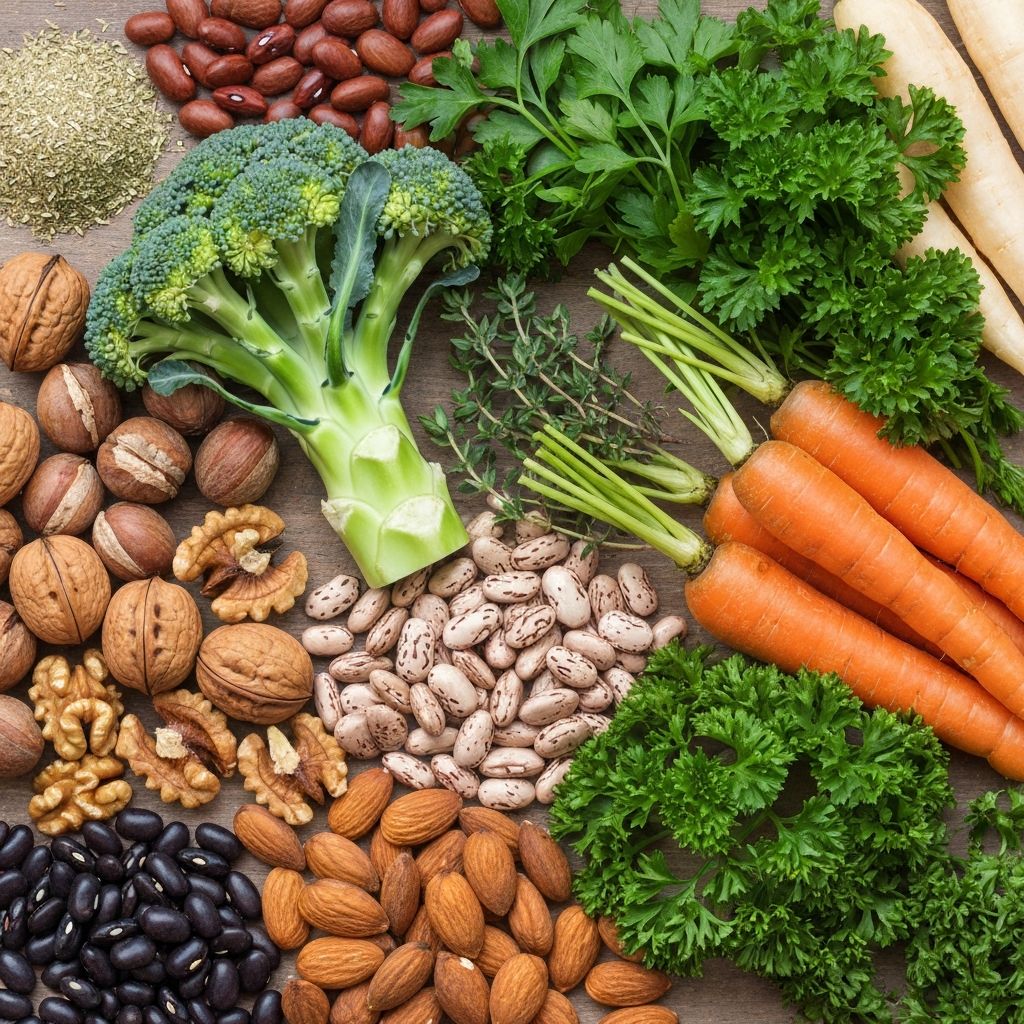
All living organisms maintain energy balance through the fundamental relationship between energy intake and energy expenditure. When we consume whole foods—foods that have undergone minimal processing—we engage with nutrition in its most recognizable form.
Energy balance represents the core principle underlying physiological stability. The human body, like all biological systems, maintains equilibrium through homeostatic mechanisms. These mechanisms respond to the quality and composition of food consumed, the timing of consumption, and patterns of physical activity.
Whole foods contain complex matrices of nutrients, fibre, water, and naturally occurring compounds that influence how energy is absorbed, utilised, and stored. Understanding these processes provides context for recognising how food choices relate to overall physiological function.